Convert a Warehouse Into a Home: Step-by-Step Guide
April 15, 2026
Old warehouses have something most new homes don’t. High ceilings. Raw materials. Big open floors. Real character. More people are seeing the potential in these spaces and deciding to convert a warehouse into a home instead of buying another standard house on a standard street.
It’s not a simple project. But with the right plan, the right team, and realistic expectations, it’s absolutely doable. This guide covers every step, from the first legal check to the final design touches.
Is It Possible to Convert a Warehouse Into a Home?
Yes, but it depends on a few key factors.
The biggest one is zoning. A warehouse sits in an industrial or commercial zone in most cities. Residential use may not be permitted there by default. Before you fall in love with a property, you need to know whether the local authority will allow a change of use.
Beyond zoning, you need to think about:
Structural condition. Is the building sound enough to support a full renovation?
Access to utilities. Does the property have connections for water, gas, and electricity?
Building code compliance. Can the space realistically meet residential safety standards?
If the answers are mostly yes, you’re in good shape to move forward. If the answers are mostly no, or mostly uncertain, you need a professional assessment before spending any money.
Step 1: Check Zoning Laws and Get Permits
This is the most important step. Skip it and you risk investing heavily in a project that authorities can legally stop.
Change of Use Permit
Most warehouses are classified as industrial or commercial properties. To live in one legally, you need to apply for a change of use permit. This process varies by city and state, but it generally involves submitting a formal application to your local planning or zoning office.
The permit process looks at things like whether residential use fits the surrounding area, whether the building can safely house people, and whether the conversion aligns with local development plans.
Local Building Codes
Residential buildings must meet codes that industrial buildings simply don’t have to follow. This includes fire exits, ceiling heights for habitable rooms, bathroom and kitchen requirements, and ventilation standards. Your plans will need to reflect all of these.
Planning Approval Timeline
Permit approval can take anywhere from a few weeks to several months. In some cities, it can take longer if the property is in a protected zone or if neighbors raise objections. Build this timeline into your project plan from the beginning. Delays at this stage are one of the most common and costly surprises in warehouse conversion projects.
Understanding what the renovation process actually involves helps you plan more effectively. This guide on what to expect during a Nashville home remodel breaks down how large renovation projects move from approval to completion.
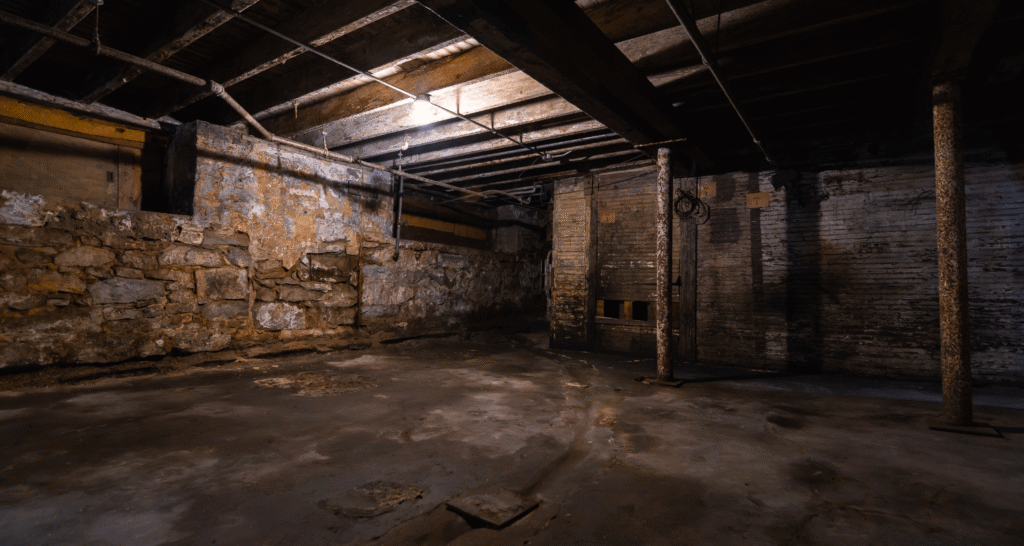
Step 2: Structural Assessment
Once you have a green light on zoning, the next step is a full structural assessment. Never skip this. What looks solid from the outside can have serious problems underneath.
Foundation
A warehouse foundation is built to carry heavy loads and industrial equipment. That’s actually a good thing for conversion purposes. But you still need an engineer to confirm the foundation is sound and hasn’t shifted, cracked, or been compromised by water damage over time.
Roof Condition
Warehouse roofs are often flat or low-pitched. They’re prone to leaks, insulation failures, and drainage issues. A roof inspection tells you whether you need a full replacement or just repairs.
Hazardous Materials
Older warehouses, especially those built before the 1980s, often contain asbestos in insulation, tiles, or pipe lagging. They may also have lead paint. Both require professional removal before any renovation work starts. This adds cost and time but is non-negotiable.
Load-Bearing Analysis
If you plan to add a mezzanine floor or second level inside the warehouse, the existing structure needs to be able to handle that additional weight. An engineer will assess whether the steel or concrete frame can take it, or whether reinforcement is needed.
Step 3: Design the Layout
This is where warehouse conversion gets exciting. You’re working with a large, open canvas. The decisions you make here define how the finished home feels.
Open-Plan Living
Most warehouse homes keep a large central open area for living, dining, and the kitchen. This works naturally with the existing floor plan and celebrates the industrial scale of the space rather than fighting it.
Mezzanine Floors
High ceilings, often 15 to 30 feet in warehouse buildings, make mezzanine levels practical and visually striking. A bedroom or home office on a mezzanine keeps the ground floor open while making use of the vertical space.
Zoning Without Walls
You don’t need walls to separate spaces. Rugs, lighting changes, furniture arrangement, raised platforms, and glass partitions all create distinct zones without closing off the open feel. This is one of the key design techniques that makes warehouse homes work.
Maximizing Natural Light
Many warehouses were built with minimal windows. That needs to change. Adding large windows, skylights, and glass doors transforms what could feel like a dark industrial space into a light-filled home. This also affects energy efficiency and is worth investing in properly.
If you’re thinking about how structural changes like window placement or partition walls work in practice, the article on how to remove a wall between rooms gives a useful overview of what’s involved.
Step 4: Install Essential Home Systems
A warehouse has none of the infrastructure a home needs. Everything has to be built from the ground up.
Plumbing
Unless the warehouse previously had bathrooms or a kitchen, you’re starting from scratch. Plumbers need to run supply lines and drainage from the main connections to wherever your bathrooms, kitchen, and laundry will go. The further these are from the mains, the more it costs.
HVAC Systems
Heating and cooling a large open warehouse is one of the biggest ongoing cost challenges. The volume of air is much greater than in a standard home, and industrial-style insulation is rarely adequate for residential comfort. You’ll need a properly sized HVAC system, often including zoning so you’re not heating or cooling unused areas.
Electrical Rewiring
Industrial electrical systems are not the same as residential ones. The panel, wiring, outlets, and safety systems all need to meet residential code. Budget for a complete rewire rather than hoping to repurpose what’s already there.
Insulation
Warehouses are notoriously hard to heat in winter and cool in summer. Proper insulation in the walls, roof, and floors is essential. This is also where you can make the biggest difference to long-term energy costs.
Windows and Ventilation
Beyond the aesthetic benefits, good windows and ventilation systems make the space livable. Without them, condensation, air quality, and temperature control all become ongoing problems.
For homeowners planning major structural and systems work, it helps to understand the full scope. This guide on complete home renovations outlines what a full renovation project looks like from start to finish.
Step 5: Preserve the Industrial Features
Here’s where warehouse conversions earn their reputation. The original features are the whole point.
Exposed Brick
Brick walls that have been hidden behind cladding for decades can be cleaned, sealed, and left as the main feature wall. The variation in color and texture is something no new build can replicate.
Steel Beams
Exposed steel I-beams and trusses are structural and beautiful. They give warehouse homes their characteristic look. Paint them black or leave them raw. Either way, they become a focal point.
Concrete Floors
Polished concrete floors are durable, easy to clean, and look stunning in industrial spaces. They also hold thermal mass, which helps with temperature regulation.
High Ceilings
Don’t drop ceilings to make the space feel more like a normal house. The height is the feature. Work with it through lighting, hanging elements, and mezzanine levels.
Cost to Convert a Warehouse Into a Home
Warehouse conversion is not cheap. But understanding where the money goes helps you plan a realistic budget.
| Cost Category | Typical Range |
| Structural repairs | $20,000 to $80,000+ |
| Plumbing installation | $15,000 to $50,000 |
| Electrical rewiring | $10,000 to $40,000 |
| HVAC systems | $15,000 to $60,000 |
| Insulation and windows | $20,000 to $70,000 |
| Interior finishes | $30,000 to $150,000+ |
| Permits and engineering | $5,000 to $30,000 |
| Total estimate | $150,000 to $500,000+ |
These figures vary widely based on size, location, building condition, and design choices. A small warehouse in a low-cost area with a good structure costs far less than a large urban warehouse needing full structural reinforcement.
Hidden Costs to Watch
Zoning delays can cost money even when no work is being done. Engineering reports are often required multiple times through the process. Utility upgrades, especially bringing in new water or gas mains, can add tens of thousands of dollars. Budget a contingency of at least 15 to 20 percent on top of your main estimate.
For those considering large-scale projects, including adding square footage to an existing structure, this resource on home additions is useful for understanding how scope and cost interact on bigger builds.
Design Styles for Warehouse Homes
Industrial Chic
Exposed everything. Raw brick, steel beams, concrete floors, bare bulb lighting. This style leans into the building’s history and makes no apology for it.
Modern Minimalist Loft
Polished concrete, white walls, clean lines, and carefully chosen furniture. The warehouse becomes a backdrop for a very pared-back aesthetic.
Soft Industrial
This mixes the hard elements of warehouse architecture with warmer materials. Timber floors, linen textiles, wood shelving, and warm lighting soften the industrial edge without hiding it.
Luxury Warehouse Conversion
High-spec finishes, custom joinery, underfloor heating, and premium appliances. This approach treats the warehouse shell as a setting for a very high-end home.
For anyone thinking about what design elements work in Nashville specifically, this article on top home building trends in Nashville covers what’s popular and why.
Common Problems and Challenges
Zoning Restrictions Not every warehouse can become a home. Some industrial zones don’t allow residential use under any circumstances. Always verify before buying.
High Renovation Cost The all-in cost surprises most first-timers. Systems, permits, structural work, and finishes add up fast in a space this size.
Heating and Cooling Large Spaces The volume of air in a warehouse is many times greater than in a standard home. An undersized HVAC system means high bills and poor comfort.
Noise and Insulation Warehouses are often in commercial or industrial areas. Road noise, neighbor businesses, and thin walls all need to be addressed through insulation and window choices.
Structural Limitations Some buildings simply cannot be safely converted. A structural engineer’s report early in the process saves you from investing in a project that can’t be completed safely.
How Long Does a Warehouse Conversion Take?
| Phase | Typical Duration |
| Planning and permits | 3 to 12 months |
| Structural and systems work | 4 to 8 months |
| Interior finishes | 2 to 6 months |
| Total | 9 to 26 months |
The planning phase takes the longest in many cases. Once you have permits and a solid contractor, construction moves faster. But trying to rush the permit stage usually backfires.
For homeowners thinking about large additions to existing properties as an alternative to warehouse conversion, this guide on building an addition on a house in Nashville compares how that process works.
Pros and Cons of Warehouse Homes
Pros Large open floor plans that can be designed exactly how you want. Unique character from original industrial features. High ceilings that most new builds can’t offer. Strong appeal on the resale market for buyers who want something different.
Cons High upfront conversion cost. Complex permit and approval process. Ongoing energy costs for heating and cooling. Not every location allows residential conversion.
Real Examples of Warehouse Conversions
Across the world, designers and homeowners have proven what’s possible. A 1924 London warehouse became a live-work home where original steel windows and concrete beams were kept while timber floors and clay wall finishes added warmth. In Athens, a 1970s building was stripped back to raw concrete and fitted with new windows and vintage furnishings. In Sydney, an architect extended a warehouse with contemporary elements while maintaining its industrial character.
What these projects share is a commitment to the original structure. The best warehouse conversions don’t fight the building. They work with it.
Should You Do It?
A warehouse conversion is the right choice if you want something genuinely unique, you’re willing to invest the time and money to do it properly, and you’ve done the legal groundwork first.
It’s the wrong choice if you’re expecting a quick project, a low cost, or a simple approval process.
The people who succeed with warehouse conversions treat them as long-term projects with real complexity. They work with experienced contractors, get engineering reports early, and build realistic budgets with contingency included.
If you’re thinking about a large construction or renovation project in the Nashville area and want to understand what a professional contractor can bring to a project like this, these questions to ask general contractors in Nashville are a useful starting point.
FAQ
Is it legal to turn a warehouse into a home?
Yes, but only with zoning approval and a change-of-use permit. Not all areas allow this, so checking local zoning laws before buying is essential.
How much does it cost to convert a warehouse into a home?
Most projects fall somewhere between $150,000 and $500,000 or more, depending on size, location, structural condition, and design choices.
Can you live in a converted warehouse?
Yes, if it meets residential building codes. A fully converted warehouse with proper plumbing, HVAC, insulation, and electrical systems is a legal and comfortable home.
What is the hardest part of the conversion?
Most people find zoning approval and installing residential infrastructure the two biggest challenges. Both take longer and cost more than expected.
Do you need an architect?
For most warehouse conversions, yes. The structural complexity and permit requirements make professional design input essential. Some prefabricated steel home options reduce this need, but custom conversions almost always require an architect and structural engineer.