Building an Addition on a House in Nashville
April 11, 2026
Adding space to your home can solve many problems. You may need a home office, more bedrooms, or a better layout.
Instead of moving, many homeowners in Nashville choose to expand. It often costs less and lets you stay in a place you already like.
Still, building an addition takes planning. You need permits, a clear budget, and the right contractor. This guide explains everything in simple steps.
Why Homeowners in Nashville Are Adding On
Home prices are high, and moving is not always a smart choice. Many homeowners already like their location. They just need more space.
Adding onto your home lets you improve your lifestyle without starting over somewhere else.
Common reasons include:
- Growing family needs
- Remote work setup
- Need for better layout
- Increasing home value
A well-planned addition can solve space issues while improving long-term comfort.
Types of Home Additions You Can Build
Most home additions follow a few common types. Each serves a different purpose based on your needs.
Room additions are the most common. These include bedrooms, offices, or extra living space. They are simple and cost-effective.
Primary suite additions combine a bedroom and bathroom. These are popular because they improve comfort and resale value.
Other options include:
- In-law suites with private space
- Sunrooms or enclosed porches
- Second-floor additions for more square footage
Step 1: Plan Your Home Addition
Planning is where everything starts. Rushing this step often leads to problems later.
Start by thinking about what you need. More space, better layout, or both. Be clear about your goals before moving forward.
Then decide how you want to build:
- Expand outward into your yard
- Build upward with a second floor
- Convert unused space
You may also need layout changes inside your home. Learn more here:
How To Remove A Wall Between Rooms
Good planning keeps your project on track.
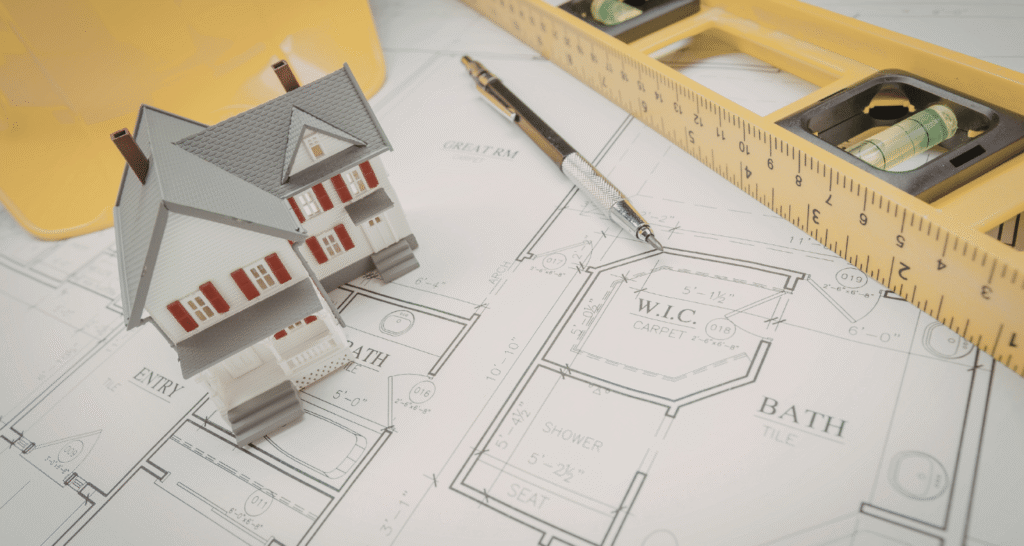
Step 2: Permits and Local Rules in Nashville
Every home addition in Nashville must follow city rules. You cannot skip permits.
The city reviews your plans before construction begins. This ensures safety and code compliance.
Most projects require:
- Building permit
- Electrical permit
- Plumbing permit
- Mechanical permit
Working with a contractor helps simplify this process. You can also review this checklist:
Checklist For New Home Construction
Step 3: Understanding the Cost
Home addition costs vary based on size and design. Most projects fall between $250 and $500 per square foot.
Smaller additions cost less because they are simpler. Larger projects cost more, especially when they include kitchens or bathrooms.
Key cost factors include:
- Materials used
- Labor
- Structural changes
- Design complexity
Always get a detailed estimate before starting work.
Step 4: Designing the Addition
A good design makes your addition feel like part of your home. Poor design can create long-term problems.
The new space should blend with your existing layout. Roof lines, lighting, and airflow all matter.
Focus on:
- Smooth flow between rooms
- Matching exterior style
- Proper heating and cooling
For more ideas, visit:
Adding Extension To House in Nashville
Step 5: Construction Process
Once planning and permits are done, construction begins. This stage happens in clear steps.
The process starts with site preparation. The area is cleared, and old structures may be removed.
Then the foundation is poured. This supports the entire addition and must be done correctly.
After that, the main structure is built:
- Framing walls, floors, and roof
- Installing windows and siding
- Adding electrical, plumbing, and HVAC
Interior work comes next. This includes drywall, flooring, cabinets, and paint.
The project ends with a final inspection before approval.
Step 6: Choosing the Right Contractor
The contractor you choose will shape your entire project. A good contractor keeps work organized and on schedule.
You should always check their experience and past work. Make sure they are licensed and insured.
Start here if you need help:
How To Find Contractors For Home Additions in Nashville
Also review this before hiring:
Questions To Ask General Contractors in Nashville
Taking time to choose the right contractor avoids major problems later.
Step 7: Common Mistakes to Avoid
Many homeowners make avoidable mistakes during home additions. These can lead to delays and higher costs.
Some of the most common issues include:
- Skipping permits
- Underestimating costs
- Poor planning
- Hiring the wrong contractor
Trying to do too much work yourself can also create problems. Some tasks require skilled professionals.
Step 8: Timeline Expectations
Home additions take time. Each phase must be completed carefully.
Planning and permits usually take one to three months. Construction can take several more months depending on the size.
Most projects take between six and twelve months from start to finish.
Step 9: Financing Your Addition
Many homeowners use home equity to fund their project. This allows them to keep their current mortgage.
Common options include:
- Home equity loan
- HELOC
- Construction loan
Planning your budget early helps avoid delays later.
Step 10: Is a Home Addition Worth It
A home addition can improve both comfort and value. It gives you more space without leaving your location.
There are downsides like cost and construction time. Still, for many homeowners, the benefits are worth it.
Why Work With Barnes Talero Construction
Barnes Talero Construction focuses on quality work and clear communication. They guide homeowners through planning, permits, and construction.
Their team works closely with clients to deliver results that match expectations.
You can explore more ideas here:
Top Home Building Trends in Nashville
Final Thoughts
Building an addition on a house in Nashville takes careful planning and the right team.
Start with clear goals. Follow local rules. Set a realistic budget. Choose a contractor you trust.
When done right, your new space will improve how you live every day.